
Exercises After Breast Cancer Surgery
Breast surgery can limit shoulder and arm movement, making daily activities such as dressing, combing your hair, and bathing difficult. Appropriate exercises after surgery help restore mobility, prevent stiffness and muscle weakness, and reduce the risk of lymphedema.
Many women are eager to resume physical activity as soon as possible to regain a sense of strength, energy, and control over their bodies. However, the key question is: when is it safe and beneficial to exercise? Starting too early or performing incorrect movements may damage healing tissues, while timely and proper movement can accelerate the recovery process.
Returning to physical activity after breast surgery is an essential part of your healing journey. Depending on the type of surgery, your recovery stage, and overall physical condition, the appropriate time to begin exercising and the types of exercises will vary. This article provides comprehensive guidance on restoring mobility, reducing complications, and returning to an active lifestyle.
The Importance of Exercise After Surgery
Exercise after breast surgery serves as a bridge between treatment and returning to an active life — a step that empowers not only the body but also the mind and spirit.
Regular physical activity can:
• Improve blood circulation and accelerate wound healing.
• Reduce stiffness and tightness in the arm and shoulder.
• Prevent the buildup of lymph fluid and lower the risk of lymphedema.
• Enhance mood and boost self-confidence.
Many patients experience emotional changes after surgery. For reliable guidance on managing stress and maintaining mental well-being, visit our Mental Health Care section.
Who Are These Exercises Suitable For?
These exercises are recommended for:
- Those who have undergone breast surgery, lymph node removal, or radiation therapy
- Those who have had breast reconstruction (with their doctor’s approval)
- Those who want to maintain shoulder and arm mobility
Why Do I Need to Do These Exercises After My Breast Surgery?
- To restore arm and shoulder movement after surgery and radiotherapy
- To prevent long-term issues with movement, posture, and stiffness
- To reduce the risk of lymphedema (swelling in the arm, hand, breast, or chest area)
If you experience any problems before or after surgery, consult your nurse or physiotherapist.
What Exercises Follow Breast Cancer Surgery?
Post-surgery exercises are designed to help restore shoulder and arm mobility, reduce muscle stiffness, and improve lymphatic circulation. These exercises include a series of gentle stretching and strengthening movements that help patients regain normal upper limb function and prevent complications such as limited range of motion, chronic pain, or lymphedema.
Typically, the exercises begin with very light movements during the first few days and gradually increase in intensity and range as recovery progresses. Maintaining these exercises consistently not only strengthens muscles and improves posture but also supports independence in daily activities and helps patients return more quickly to their normal routines.
Best Exercise for Breast Cancer Survivors
The best exercises for breast cancer survivors are those that help rebuild strength, flexibility, and confidence — without putting pressure on the surgical area. Gentle stretching movements for the shoulders and arms are the first step toward restoring the body’s natural range of motion.
As recovery progresses, light resistance exercises using bands or very small weights can help strengthen muscles and improve lymphatic flow. Low-impact aerobic activities such as walking, swimming, or stationary cycling also enhance energy levels, reduce fatigue, and support cardiovascular health.
The key to success during this stage is gradual progression, listening to your body’s responses, and performing exercises under the supervision of your doctor or physiotherapist to ensure a safe, balanced, and sustainable recovery.
When Should I Start the Exercises?
The right time to begin exercising depends on the type of surgery (mastectomy, lumpectomy, or breast reconstruction) and how quickly your body heals.
In general, you can follow these guidelines:
• It’s best to start gentle stretching exercises before surgery to improve flexibility.
• After surgery, you can usually begin light exercises the next day — but only after consulting your nurse or physiotherapist.
• Gradually increase the intensity of your exercises based on your comfort level and physical ability.
Don’t worry if you can’t complete all the exercises every day. You don’t have to be perfect — consistency matters more than intensity. Even during periods like radiation therapy, when your energy may be lower, a few simple movements can make a meaningful difference. Listen to your body and take a little time each day to care for your health.
To explore more about the mental aspects of the recovery period, you can refer to the “Hope after breast cancer” guide.
When to Stop the Exercises?
If you experience unusual pain, swelling, redness, or a strong pulling sensation around the surgical area, stop exercising immediately. Also, if you feel dizziness, shortness of breath, or an unusually rapid heartbeat, continuing your workout may be harmful. In such cases, pause your activity and consult your doctor or physiotherapist before resuming.
The purpose of these exercises is to support gradual recovery, not to cause discomfort or strain.
⚠️ Warning: Avoid exercising if your surgical wound hasn’t completely healed or if you notice redness, discharge, or increased pain around the incision site. Contact your healthcare provider before continuing any physical activity.
General Guidelines for Post-Surgery Exercises
Rehabilitation after breast cancer surgery is a vital stage of the recovery process that helps restore muscle coordination, improve mobility, and prevent post-surgical complications.
A slight feeling of tightness in your chest or underarm area is common in the early days and usually improves with regular exercise. However, if stiffness or pain does not get better over time, consult your doctor. To prepare your body, consider taking a warm shower before exercising to help relax your muscles.
Perform the exercises in a calm environment and wear loose, comfortable clothing. Each movement should be slow, controlled, and painless — a gentle stretch is all that’s needed. Avoid fast or jerky motions, and pause for a few seconds at the end of each stretch. Repeat each exercise four to six times, twice a day. Deep breathing during the exercises will enhance oxygen flow and help release tension.
Note: According to reputable sources such as the American Cancer Society, it is recommended to begin the exercises in a lying position, then progress to sitting, and finally standing. This gradual transition allows your muscles and joints to safely adapt to increased movement.
Exercises and Practical Section
Post-surgery exercises for breast cancer patients are a key step toward returning to an active and healthy life. These exercises are carefully designed to help you gradually regain natural movement in your arm and shoulder after surgery. Each stage has a specific goal aimed at improving flexibility, strength, and lymphatic flow over time. Perform each exercise with patience and mindfulness—remember, every small movement is a sign of your progress and resilience.
It is strongly recommended to perform these exercises only with your doctor’s approval and to progress gradually, allowing your body the time it needs to adapt and heal properly.
Week 1 After Surgery: Gentle Exercises
Goal: Prevent stiffness and maintain shoulder and arm mobility
- Using Your Arm in Daily Activities
• Try to gently use your arm for light tasks such as combing your hair, bathing, dressing, or eating. - Lifting Your Arm to Shoulder Level
• Slowly raise and lower your arms 3–4 times a day.
• This helps restore shoulder movement and promotes healthy lymphatic flow.
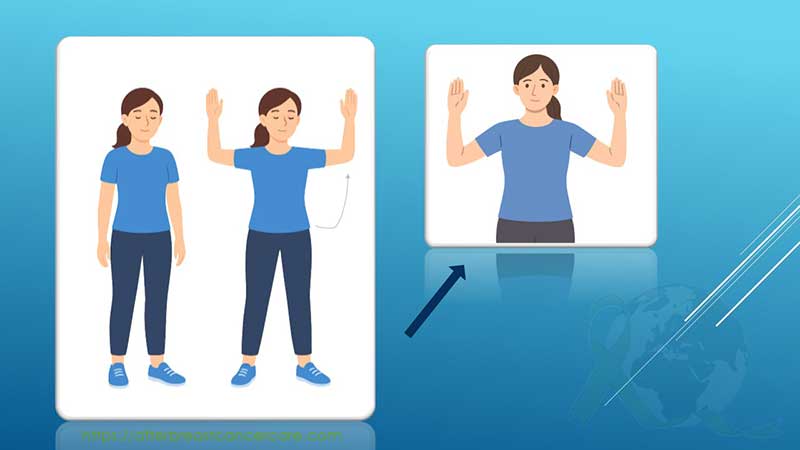
Important Notes for Safe Movement: When lifting your arms, keep a slight bend in your elbows rather than fully straightening them. This gentle bend helps reduce strain on healing muscles and tissues, allowing you to perform the movement comfortably and safely. Raise your arms only until you feel a mild, comfortable stretch — never to the point of pain.
During the first week after surgery, it is safer to lift your arms forward rather than out to the side, as this reduces pressure on the underarm area and supports proper healing.
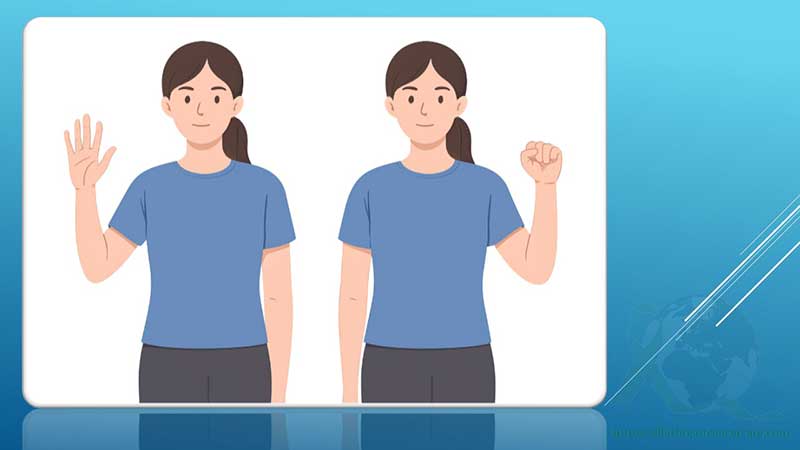
- Opening and Closing the Hand / Bending and Straightening the Elbow
• Open and close your hand 15–25 times, then bend and straighten your elbow.
• You can also bend your elbow and touch the shoulder on the same side, then the opposite shoulder.
- Deep Breathing Exercises
• Lie on your back and take slow, deep breaths — expand your chest and abdomen, then exhale gently.
• Repeat 4–5 times, at least six sessions per day.
Weeks 2–4 After Surgery: Moderate Exercises
Goal: Begin light physical activity, maintain flexibility, and prepare for advanced exercises
- Light Walking and Lower-Body Movements
• Take short walks each day to improve circulation and overall energy.
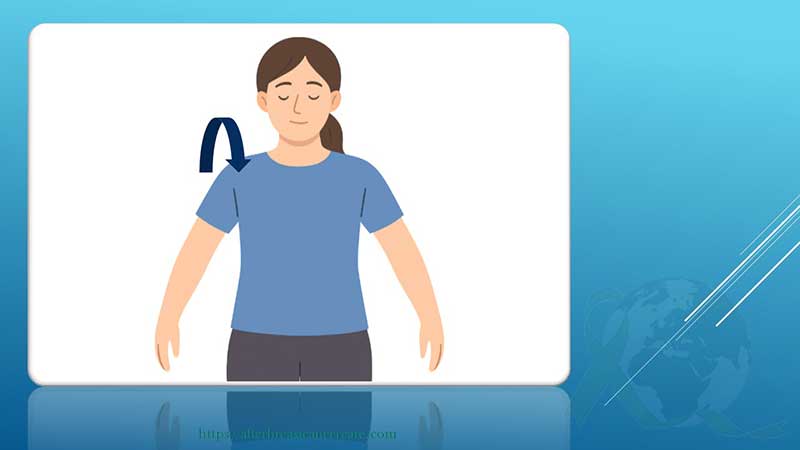
• Do gentle leg and abdominal exercises to keep your lower body active. - Shoulder Rotations
• Slowly roll your shoulders forward and backward several times.
• This helps relieve tension and improve shoulder flexibility.
- Raising Arms Forward and Sideways
• Gently lift your arms forward and then to the sides.
• Repeat each movement 5 to 7 times, keeping your motions slow and controlled.
Weeks 4–6 After Surgery: Advanced Exercises
Goal: Prepare for full activity and strengthen the arms
- Light Weight Training
• Use small hand weights or resistance bands.
• Gradually increase intensity as your strength improves.
• Always breathe naturally during exercises — never hold your breath. - Yoga or Gentle Aerobic Activities
• Try light activities such as walking, slow jogging, or gentle yoga.
• Avoid heavy weights or intense chest exercises to prevent strain on healing tissues.
Safety Tips After Breast Surgery
- Physical activity should be slow, gradual, and gentle, avoiding any excessive strain.
- Wear comfortable clothing and maintain proper posture during all activities.
- Always warm up before and cool down after each exercise session.
- Use a supportive bra during workouts to protect healing tissues.
- For strength training, work with a qualified instructor familiar with post-surgery recovery.
- Increase intensity gradually and only with your doctor’s approval.
- If you notice swelling, pain, or any unusual symptoms, stop exercising immediately and consult your doctor or a lymphedema specialist.
Exercise After Breast Reconstruction
- Exercise recommendations after breast reconstruction may vary depending on the type of surgery you’ve had.
- Continue performing exercises until you regain full range of motion.
- Keep doing gentle stretching and light activities during and after radiotherapy.
- If you experience any difficulty or limitation in movement, consult your nurse or physiotherapist.
Conclusion
Exercise after breast cancer surgery, when performed at the right time and in the correct way, is an important part of the recovery process.
Each body heals at its own pace; therefore, listen to your body, take each step calmly, and consult your doctor or physiotherapist if you have any doubts.
Gradual movement is the key to safe and steady recovery.
This article is based on scientific sources and the experience of specialists in post-breast cancer care. Its goal is to provide practical and safe guidance for patients seeking to return to an active life after breast surgery.
Remember, exercise not only strengthens the body but also restores a sense of power and hope.
Every small movement can remind you that healing is in progress — a step toward reclaiming life after cancer.
We Value Your Insights
If you have any questions, experiences, or need guidance, share your thoughts in the comments section.
Care & Healing specialists will read them carefully and respond to you.